Savor the Richness: French Butter Cake Recipe
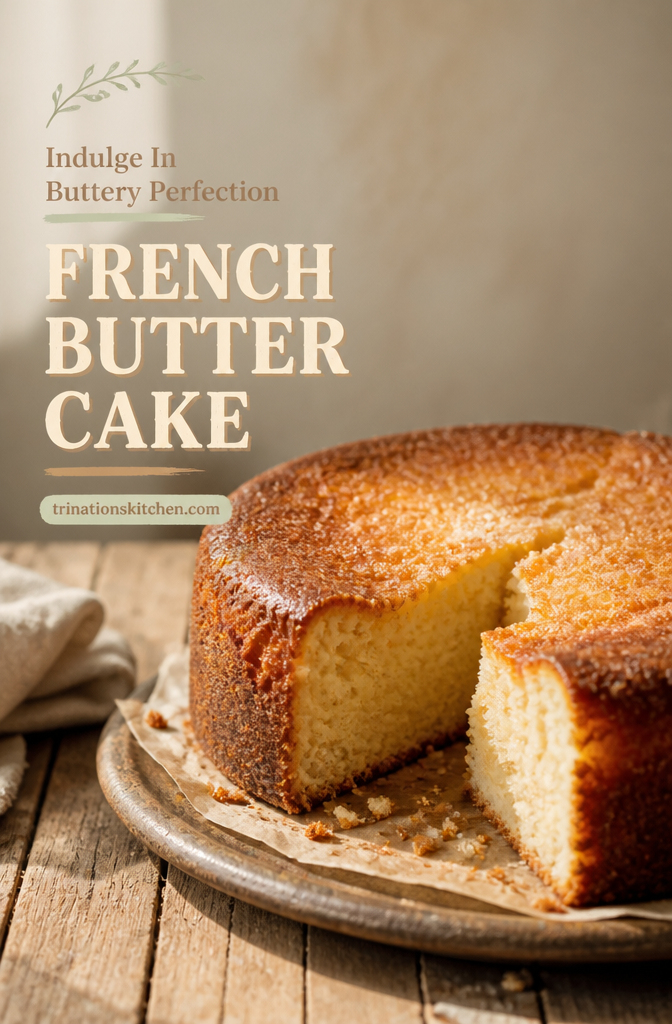
Some desserts feel ordinary, while others make the whole room lean closer to the plate. This French butter cake belongs to the second group. It is not towering, frosted, or fussy. Instead, it offers a tender crumb, a golden edge, and a buttery texture that seems to soften the moment it touches your tongue. It is the kind of cake that turns an afternoon coffee into a small occasion and makes a simple dessert feel generous.
What makes this cake special is restraint. The recipe leans on excellent butter, eggs, sugar, and flour, with just enough vanilla or citrus zest to lift the flavor. The result is a classic French cake with a fine, even crumb and a delicate crust. It is equally happy at a celebration table or beside a cozy blanket and a pot of tea. If you love cake but prefer depth over decoration, this is the dessert recipe you will return to again and again.
Ingredients and Equipment
For one 9-inch round cake or an 8-by-8-inch square pan:
- 1 cup unsalted butter, softened to cool room temperature
- 1 cup granulated sugar
- 4 large eggs, at room temperature
- 2 teaspoons vanilla extract, or 1 teaspoon vanilla plus finely grated zest of 1 lemon or orange
- 2 cups all-purpose flour
- 1½ teaspoons baking powder
- ¼ teaspoon fine sea salt
- 2 tablespoons milk or heavy cream, optional for a slightly softer crumb
- Powdered sugar, for dusting
Use butter that bends easily when pressed but is not oily or melted. Room-temperature eggs blend more smoothly and help create a uniform texture. A hand mixer or stand mixer makes creaming easier, but a sturdy whisk and a spatula will work if you are patient.
Line the pan with parchment, then lightly butter the sides. This encourages clean release and protects the delicate edges. Having everything measured before you begin keeps the process calm and helps the batter stay emulsified.
Step-by-Step Method
Preheat the oven to 350°F (175°C). Position a rack in the center so the cake bakes evenly.
Whisk the flour, baking powder, and salt together in a bowl. This distributes the leavening and prevents pockets of salt or powder in the finished crumb.
In a large bowl, beat the softened butter and sugar until pale, fluffy, and noticeably increased in volume, about 3 to 5 minutes with an electric mixer. Scrape the bowl and beaters well. Proper creaming is the backbone of this cake’s buttery texture.
Add the eggs one at a time, beating well after each addition. If the mixture looks slightly curdled after adding an egg, add a spoonful of the flour mixture and continue beating. The batter should look smooth and glossy.
Mix in the vanilla and zest, if using. Add the flour mixture in two or three additions, mixing on low speed or folding with a spatula just until no dry streaks remain. If the batter feels stiff, stir in the milk or cream. Avoid overmixing after the flour is added.
Scrape the batter into the prepared pan and smooth the top. Tap the pan gently on the counter to release large air bubbles. Bake for 40 to 50 minutes, until the top is deep golden and a toothpick inserted in the center comes out clean or with a few moist crumbs. The edges should just begin to pull away from the pan.
Cool in the pan for 15 minutes, then run a thin knife around the edges and turn the cake out onto a rack. Peel off the parchment and let it cool completely. Dust with powdered sugar or add a simple finish before serving.
Tips for a Tender, Buttery Crumb
- Measure flour by spooning it into the cup and leveling it, or use a scale. Too much flour leads to a dry, tight crumb.
- Keep ingredients at the right temperature. Cold eggs can break the emulsion, while melted butter will not trap air properly during creaming.
- Beat the butter and sugar thoroughly. This step adds lift and creates the fine texture that makes this French cake feel delicate.
- Stop mixing as soon as the flour disappears. Overmixing develops gluten and can make the cake tough.
- Bake until golden. A pale top may look elegant, but a deeper golden color signals a flavorful crust and a properly set center.
- Cool before cutting. The crumb sets as the cake cools, so slicing too soon can make the texture seem gummy.
Flavor Variations
Once you know the base, you can explore many cozy treats without losing the cake’s character.
For a citrus version, add the zest of one lemon or orange to the batter and replace the milk with fresh juice. Keep the total liquid close to the original amount so the batter remains balanced.
For a warm spice cake, whisk ¾ teaspoon cinnamon, a pinch of cardamom, and a little freshly grated nutmeg into the flour. A teaspoon of honey dissolved in the milk adds gentle depth.
For a berry-studded cake, fold in ¾ cup fresh blueberries or raspberries after the flour is incorporated. Toss the berries with a spoonful of flour first so they do not sink.
For a chocolate version, replace ¼ cup of the flour with unsweetened cocoa powder and add a handful of chopped dark chocolate. The batter will be slightly richer, so watch the baking time closely.
For a holiday touch, add ½ cup finely chopped toasted almonds or hazelnuts and a splash of almond extract. A thin layer of warmed apricot jam brushed over the cooled cake gives a glossy finish and a bright note.
Serving, Storing, and Common Mistakes
This cake is lovely on its own, but a few simple additions can make it feel celebratory. Serve slices with macerated berries, a spoonful of crème fraîche, or a small scoop of vanilla ice cream. For afternoon coffee, keep it plain and let the butter flavor shine.
Store the cake, well wrapped, at room temperature for up to 3 days, or refrigerate for up to 5 days. Bring chilled slices to room temperature before serving so the butter softens and the texture returns to its best state. To freeze, wrap slices tightly and freeze for up to 2 months. Thaw at room temperature and refresh in a low oven if desired.
Common mistakes are easy to avoid once you know what to watch for. Using melted butter makes the batter too loose and can create a dense, greasy crumb. Skipping the creaming step reduces lift and leaves the cake flat. Opening the oven door too early can cause the center to sink. Baking in a dark or oversized pan may brown the edges before the center is done. Finally, cutting the cake while it is still warm can compress the crumb and make the slices look wet.
If the top browns too quickly, tent it loosely with foil for the last 10 to 15 minutes. If the center is not set but the edges are browning, lower the oven temperature by 15°F and continue baking. If you prefer a slightly denser, more buttery slice, use the full amount of butter and skip the added milk.
This is the kind of cake that invites baking inspiration without demanding advanced technique. With a little care and patience, you can create a French cake that feels both timeless and personal, perfect for cake loving friends, quiet weekends, and the kind of cozy treats that make ordinary days feel special.
FAQ
Can I use salted butter instead of unsalted?
Yes. Reduce or omit the added salt, then taste the batter. Salted butter varies by brand, so a small adjustment helps keep the flavor balanced.
Why did my cake turn out dry?
Dryness usually comes from too much flour, under-creamed butter, or overbaking. Measure carefully, beat the butter and sugar until pale, and remove the cake as soon as a toothpick shows moist crumbs.
Can I make this cake ahead of time?
Absolutely. Bake the cake a day in advance, cool it completely, then wrap it well. Dust with powdered sugar just before serving so the top stays fresh and elegant.


Nhận xét
Đăng nhận xét